

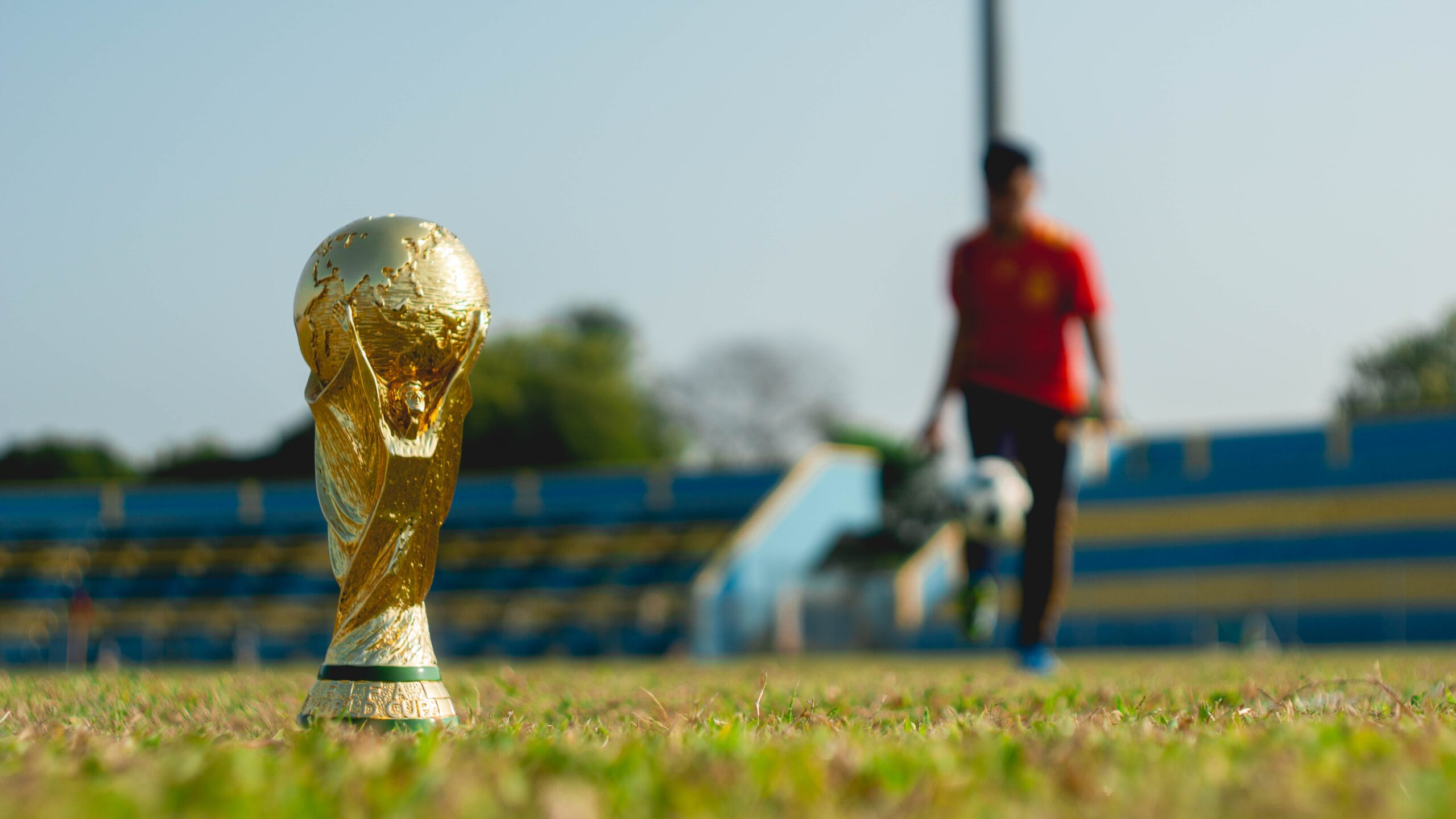
Athlete Ally responded today to news that Saudi Arabia is now the sole bidder for the 2034 FIFA Men’s World Cup. This follows news that a joint bid from Morocco, Portugal and Spain is the only one being considered for the 2030 Men’s World Cup.
FIFA’s Human Rights Policy, adopted in 2017, outlines its responsibility to identify and address adverse human rights impacts of its operations, including taking adequate measures to prevent and mitigate human rights abuses. Article 7 of FIFA’s Human Rights Policy states that “FIFA will constructively engage with relevant authorities and other stakeholders and make every effort to uphold its international human rights responsibilities.” This should include consulting a wide range of stakeholders, including potentially affected groups, domestic human rights monitors, athletes, fans, migrant laborers, and unions, before making major hosting decisions.
The 2026 bidding process was historic wherein – for the first time ever – countries vying for the bid were required to disclose human rights risks associated with the host country and what they would do to mitigate those risks if awarded the bid. The United Bid – a joint effort between Canada, the United States, and Mexico – won in June of 2018. This should have set a precedent for future bidding processes, yet what we have seen in the 2030 and 2034 bid processes indicate otherwise. While FIFA has committed previously to ensuring athletic environments free from discrimination, the organization cannot follow through on this promise when mega sporting events are held in places where LGBTQI+ rights are under attack.
According to Human Rights Watch, under FIFA’s human rights policies, countries bidding to host games must commit to strict human rights and labor standards. In the introduction to FIFA’s “Key Principles of the Reformed Bidding Process,” FIFA President Gianni Infantino writes: “Whoever ends up hosting the FIFA World Cup must … formally commit to conducting their activities based on sustainable event management principles and to respecting international human rights and labour standards according to the United Nations’ Guiding Principles.” FIFA has so far failed to apply these principles in the award of the 2030 and 2034 World Cups.
Saudi Arabia has severe human rights violations, including a repressive male guardianship system, the severe criminalization of same-sex relations with punishments including death, and pervasive repression of LGBTQ peoples’ lives and experiences.
“If Saudi Arabia is named as the 2034 World Cup host, it will be a shocking failure of Article 3 of the FIFA Statutes, and sends a clear message that their obligation to uphold the inherent dignity and equal rights of everyone, does not extend to LGBTQI+ people,” said Hudson Taylor, Founder and Executive Director of Athlete Ally. “Saudi Arabia punishes acts of homosexuality with capital punishment, up to life imprisonment, fines, deportation and flogging. FIFA’s support of Saudi Arabia’s bid shows that they are more interested in promoting and protecting a country who denies LGBTQI+ people their human rights than they are in promoting and protecting those human rights.”
“Barely a year after the human rights catastrophes of the 2022 Qatar World Cup, FIFA has failed to learn the lesson that awarding multi-billion dollar events without due diligence and transparency can risk corruption and major human rights abuses,” said Minky Worden, director of global initiatives at Human Rights Watch. “The possibility that FIFA could award Saudi Arabia the 2034 World Cup despite its appalling human rights record and closed door to any monitoring exposes FIFA’s commitments to human rights as a sham.”
“FIFA has a responsibility to choose a host nation where everyone is respected and protected, including LGBTQI+ athletes and fans,” said out gay former pro soccer player and Athlete Ally Ambassador Thomas Beattie. “LGBTQI+ athletes – whether they are out or not – will not be safe in Saudi Arabia. Neither will coaches, fans or other members of the sporting community, as we saw in Qatar. Sport has the power to bring people together across divisions when it welcomes all people, but all people are not welcome in Saudi Arabia.
If FIFA awards a World Cup to a country where same-sex relationships are punishable by death, FIFA will have epically failed in its mission to provide an environment that is safe for all. Awarding the privilege of hosting such a global sporting event to a country that doesn’t have basic human rights across the board is hypocritical to the values of sport. Creating temporary safe spaces for this occasion does nothing for the oppression and prejudice local Saudi Arabian LGBTQI+ individuals face on a daily basis.”