


Our Impact
Our work at the Sport & Rights Alliance is crucial to ensuring affected people are represented, holding sport governing bodies accountable, and increasing the cost of inaction through coordination, advocacy and campaigns.
Justice for Individual Cases
We have driven significant impact by bringing forward solidarity cases in order to challenge injustices and bring about systemic change. Through our work we have contributed to some of the most significant achievements in defending and advancing human rights in sport overin the last ten years:
Safe Sport: #WhereisPengShuai (2022)
The Sport & Rights Alliance amplified athletes’ global call to support Chinese tennis player Peng Shuai, who in November 2021 disappeared for weeks after reporting being sexually assaulted and harassed by a former top member of the Chinese Communist Party and Beijing Olympic organising committee. Our campaign reached global media outlets and led to the IOC finally acknowledging Peng’s reports of sexual abuse and abandoning its inappropriate plans to host a dinner for her and Bach.
Physical Abuse: Child Athletes in Japan (2020, 2021)
In 2020, Human Rights Watch and the Japanese affiliates from World Players combined efforts to deliver a landmark report documenting Japan’s history of corporal punishment in sports – known as taibatsu. In 2021, the SRA supported the #AthletesAgainstAbuse campaign and the release of a Reporters’ Guide for the 2020 Summer Olympic and Paralympic Games to drive awareness and increase pressure on Japan in the lead up to the Tokyo Olympics. Following years of advocacy, in 2025 Japan revised its Basic Act on Sport, legally requiring the government to address athlete abuse.
Discriminatory Rules in Baku UEFA Final (2019)
The Sport & Rights Alliance successfully challenged the mandatory HIV declaration imposed by the government in Azerbaijan. It was argued that this is a breach of the rights of the fans and supporter groups to attend the games. UEFA effectively pressured the country’s leaders to take down the requirement.
Right to Play: Afghan Women’s National Football Team (2026)
Sustained advocacy by the Sport & Rights Alliance and partners helped secure FIFA’s official recognition of the Afghan Women’s National Team in April 2026, restoring their right to represent their country after years of exile. Building on our 2018 campaign supporting players who experienced abuse within the team, we continued advocacy following their forced exile in 2021. In 2025, we launched a global campaign for FIFA recognition, helping secure FIFA’s first public commitment and enabling the team to return to competition as FIFA’s first refugee team – marking a key step on the path toward formal recognition.
Gender Equity: Bilqis Abdul-Qaadir and FIBA’s Hijab Ban (2017)
Bilqis Abdul-Qaadir is a female Muslim American former basketball player for the University of Memphis. In 2010, she became the first NCAA Division I player to wear a hijab on the court. She was blocked from pursuing her professional basketball career due to a FIBA rule that banned headscarves in international competitions. We supported her fight and advocated for Muslim women’s right to play. In 2017, she was honored with the Freedom from Fear Award by UNI Global Union for her successful campaign to have FIBA’s hijab ban overturned.
Sexual Abuse: U-19 Mali Women’s Basketball Players (2021)
After investigations from SRA partner Human Rights Watch and The New York Times revealed decades-long systemic sexual abuse and cover-up in the Mali Basketball Federation (FMBB), the SRA began a campaign to hold the International Basketball Federation (FIBA) accountable and support the coordination of legal and psychosocial support for affected players. FIBA commissioned an independent investigation and announced a new Safeguarding Council, but victims have yet to receive adequate remedy.
Defending Sport’s Diversity: Trans, Gender diverse & Intersex Inclusion (2026)
The Sport & Rights Alliance, in collaboration with Humans of Sport, has mobilized impacted people and advocates to fight back against exclusionary policies. We have actively challenged the International Olympic Committee’s secretive process to re-establish harmful sex testing and the exclusion of trans and intersex women and girls from sport. Our work – coordinating joint letters and statements, amplifying athlete voices, equipping journalists, and making connections to the real safeguarding and equity issues in women’s sport – drove viral engagement, helping change the narrative by generating widespread coverage and scrutiny of the IOC policy.
Gender Equity: Open Stadiums for Women in Iran (2019)
Overturning the ban on women and girls entering stadiums in Iran is an important impact of the Sport & Rights Alliance. The #OpenStadiums and Blue Girl campaign brought together fan groups, Human Rights Watch, World Players Association and the Committee to Protect Journalists. We were able to successfully pressure FIFA to sit at the gates and ensure women were able to enter the stadiums and cheer on their teams.
Athlete Rights: #SaveHakeem (2018)
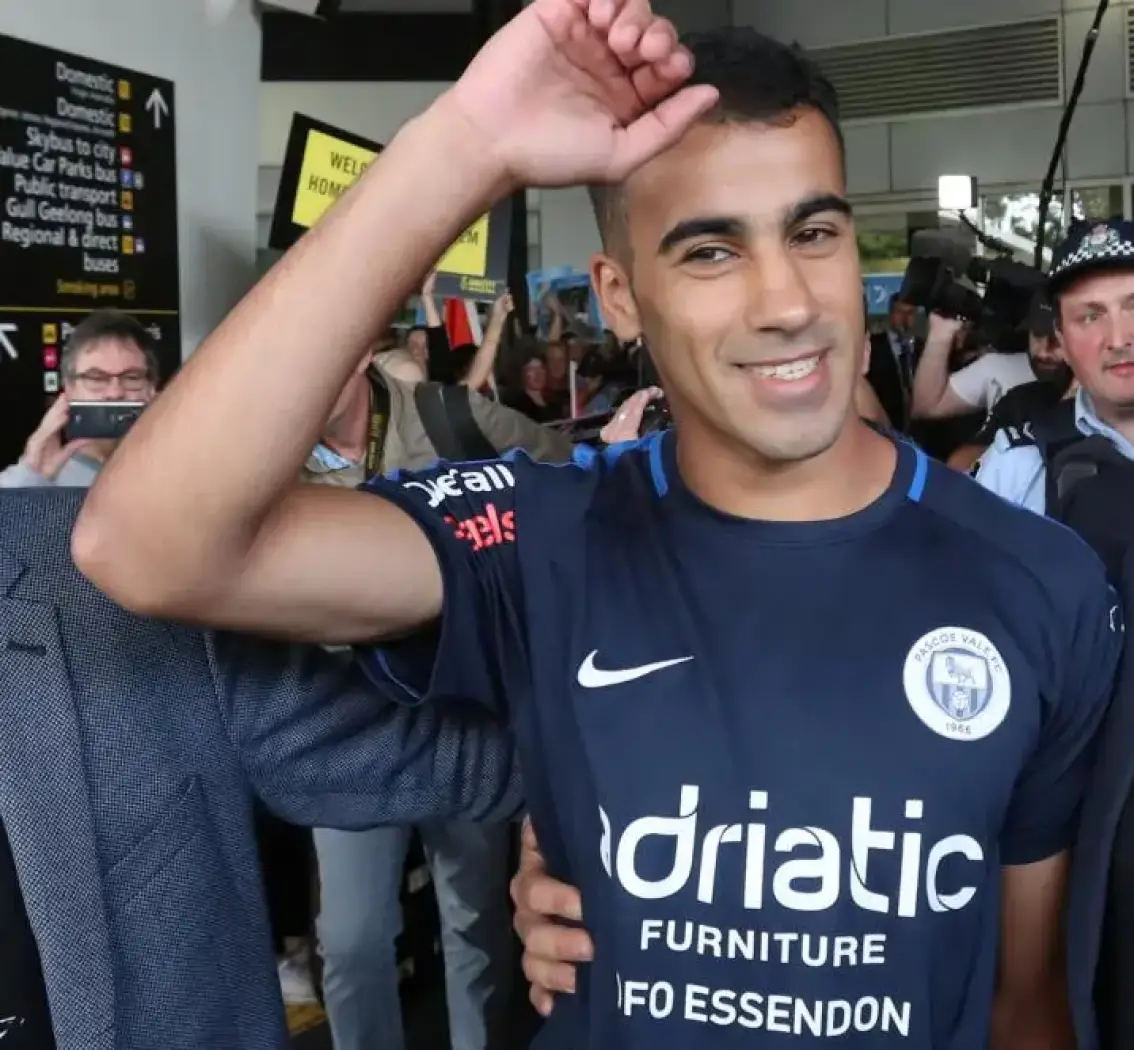
We coordinated a global campaign to save Hakeem Al-Araibi from extradition, an Australian footballer of Bahraini descent arrested in Thailand in 2018. By being present at Hakeem’s hearing and other efforts, we drove FIFA to take direct action — resulting in Hakeem’s release in February 2019. Learn more about the fight in this short documentary.
Impact on Policy and Governance
In addition to supporting individual human rights cases, the Sport & Rights Alliance also focuses on the advancement of human rights in the world’s most influential sport governing bodies over the long term. We use our vast network of sports and human rights organizations and advocates, as well as public media channels, to campaign for policy and governance compliance with international human rights:
International Olympic Committee (IOC)
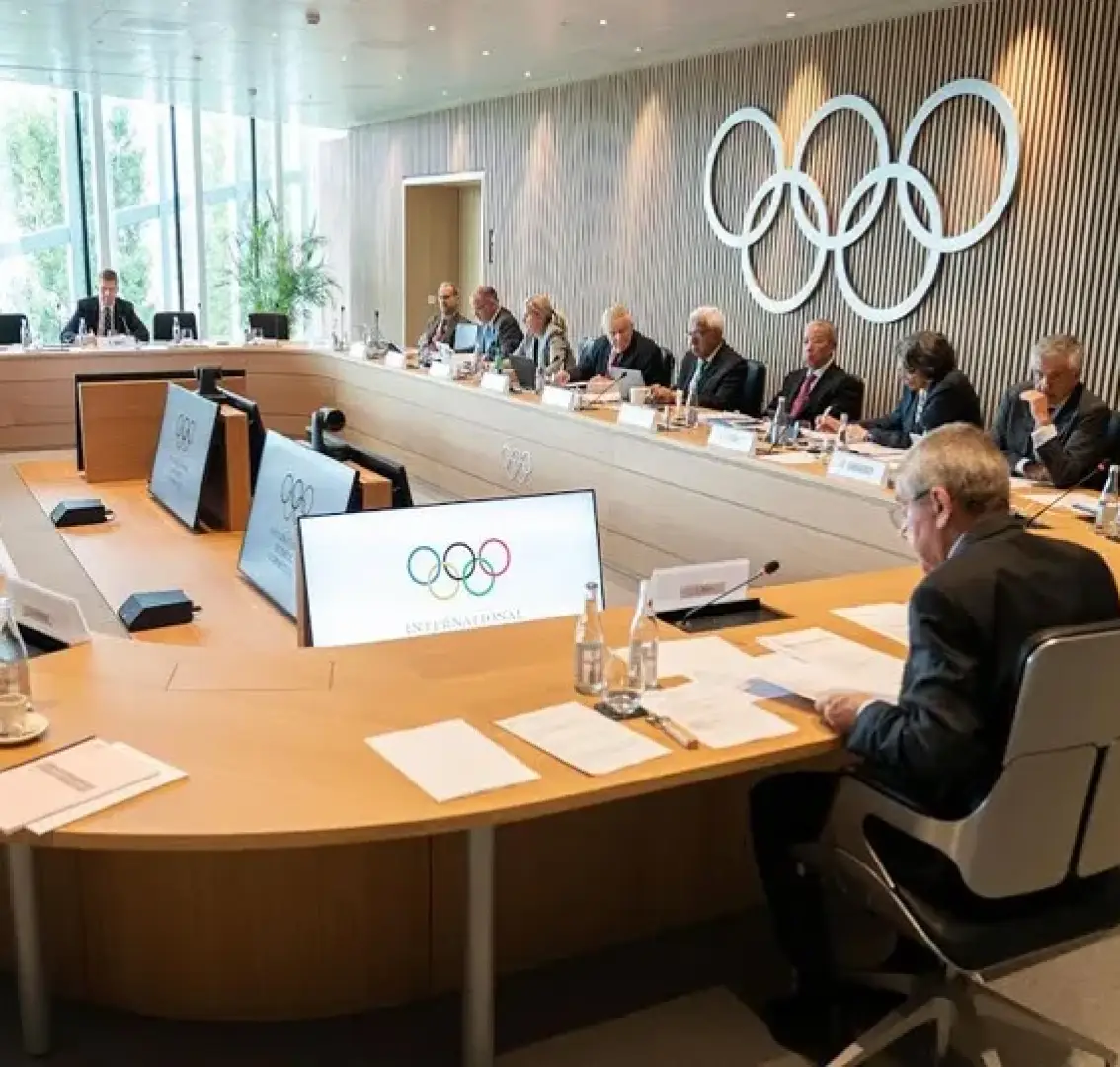
The Sport & Rights Alliance successfully influenced, through years of advocacy and consultation, the decision of the International Olympic Committee (IOC) to include human rights in the Olympic Charter. We also successfully advocated for the inclusion of human rights compliance on the Host City Contract (HCC) for the 2024 and 2028 Olympic Games. In 2025, we engaged with and called for stronger human rights commitments from candidates in the IOC’s presidential election and contributed to the development of global safeguarding standards through the International Safe Sport Framework.
Fédération Internationale de Football Association (FIFA)
The Sport & Rights Alliance played a significant role in the adoption of Article 3 of the FIFA Statutes, setting up the (former) FIFA Human Rights Advisory Board, the 2026 Host City Contract and building internal capacity on human rights. Our advocacy efforts also resulted in FIFA dropping its expansion plans for the Qatar 2022 World Cup. In 2026, we led a global campaign to “Keep the World in the World Cup”, while continuing to push for a comprehensive Human Rights Strategy and Safeguarding Policy.
Commonwealth Games Federation (CGF)
Today, upholding, protecting and promoting human rights is mentioned as central to the Commonwealth Games Federation. We have served as a “critical friend” and key influencer for the CGF to adopt its human rights policy.
Union of European Football Associations (UEFA)
Through strategic engagement and dialogue, the Sport & Rights Alliance helped secure the inclusion of human rights in UEFA’s 2024 bidding criteria for the European Championship. Our advocacy has also led to the first-ever Human Rights Board for the 2024 Men’s EURO, which we participated on alongside our partners, other NGOs and expert stakeholders, and its replication for future UEFA events, including the 2025 Women’s EURO.

Annual Report
Learn more about the Sport & Rights Alliance’s impact in advancing human rights on and off the field in our 2025 Annual Report.