

Sport & Rights Alliance, World Players Urge Transparency, Rights in Decisions
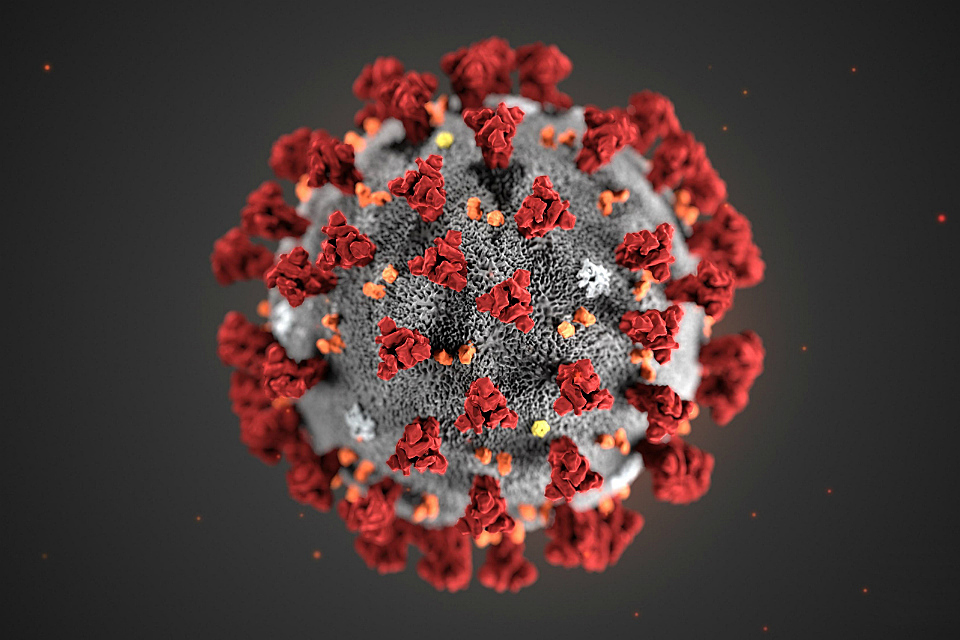
(Nyon, Switzerland, March 20, 2020) — The International Olympic Committee (IOC) and global sport organizations have a responsibility to demonstrate the highest standards of transparency, consultation and citizenship as the world addresses the COVID-19 pandemic, the Sport and Rights Alliance (SRA) and the World Players Association said today. The Tokyo 2020 Olympics are scheduled to begin on July 24, with the Paralympics starting on August 25.
COVID-19 is having a dramatic impact on the sports community, fans, and all people practicing sport, with professional and amateur leagues and competitions cancelled, relocated and postponed. Some athletes report that training or qualifying is made impossible by closure of facilities, teams are displaced or quarantined, while in some countries, games are continuing without fans.
“Coronavirus is impacting the health, human rights, employment and careers of athletes but also the well-being of millions whose livelihoods are dependent on the sports industry and its supply chain,” said Minky Worden, director of global initiatives at Human Rights Watch. “Sports bodies have a responsibility to lower risks to athletes, insist on the free flow of information, and conduct themselves in an open and transparent way,”
The IOC met this week to assess its response to the coronavirus, issuing a communique that delayed any decision on postponing or cancelling the games. Also scheduled for 2020 are the International Ice Hockey Federation World Championships and other major international sports trials and events. This week football’s UEFA Euro 2020, African Nations Championship 2020 and Copa America were all postponed, along with the Formula One Grand Prix.
“With the world in a declared pandemic, holding mega-sporting events including the Olympic Games demands a deep review and broader consultations than are occurring now, including with athletes and their representatives,” said Brendan Schwab, World Players Executive Director. “The International Olympic Committee needs to elevate its dialogue with the full range of those most affected beyond sponsors and governments to an open multi-stakeholder process that brings to the table as equals player associations as the representatives of athletes and others most at risk.”
According to the Sport and Rights Alliance and World Players, guiding principles emerging in the constantly changing COVID-19 environment include:
- People are entitled to the best information.
- Athletes and affected groups are entitled to access the best information including expert public health, medical and legal advice as well as political and economic considerations. Freedom of the press is essential.
- Respect for human rights.
- Sport has a responsibility to respect and uphold the human rights of those it affects. This includes not causing or contributing to harmful health and safety outcomes for athletes, fans or the general public. It also requires the free flow of information in order to enable especially athletes preparing for the Olympic and Paralympic Games to draw their own conclusions regarding ongoing investment in training efforts.
- Wide decision-making processes.
- All key stakeholders need to be involved including governments, sports bodies, leagues, teams, journalists and broadcasters, sponsors, fans and athletes and their associations. This decision-making process needs to be transparent and ensure access to information.
- Athlete engagement.
- There should be high levels of engagement with athletes including through their associations to ensure that the various risks are addressed to maximize athlete trust and confidence. Economic and political concerns should not drive decision-making but rather athlete health and safety.
- Sporting world recovery planning.
- Sport is a vital cultural force, a passion and joy for many, and should play a central role in rebuilding communities and economies once the pandemic subsides. All key stakeholders including fans, athletes, federations and others should unite and work together to mitigate the harm of COVID-19 and plan collectively for the long-term recovery of the sector. Sport’s important role should be part of government efforts [JR1] to help drive a strong economic recovery.
The Sport & Rights Alliance is a coalition of leading global non-governmental organizations, including Football Supporters Europe, Human Rights Watch, the International Lesbian, Gay, Bisexual, Trans and Intersex Association, the International Trade Union Confederation, Football Supporters Europe, the Committee to Protect Journalists, Transparency International Germany, UNI Global Union and World Players.
The World Players Association is the global voice of organized players and athletes across professional sport. A sector of UNI Global Union, it brings together 85,000 players through more than 100 player associations in more than 60 countries. Its role is to ensure that the voice of organized players is heard at the highest levels in the decision-making of international sport.