

Consultation with Survivors of Abuse in Sport Outlines Need for Global Network
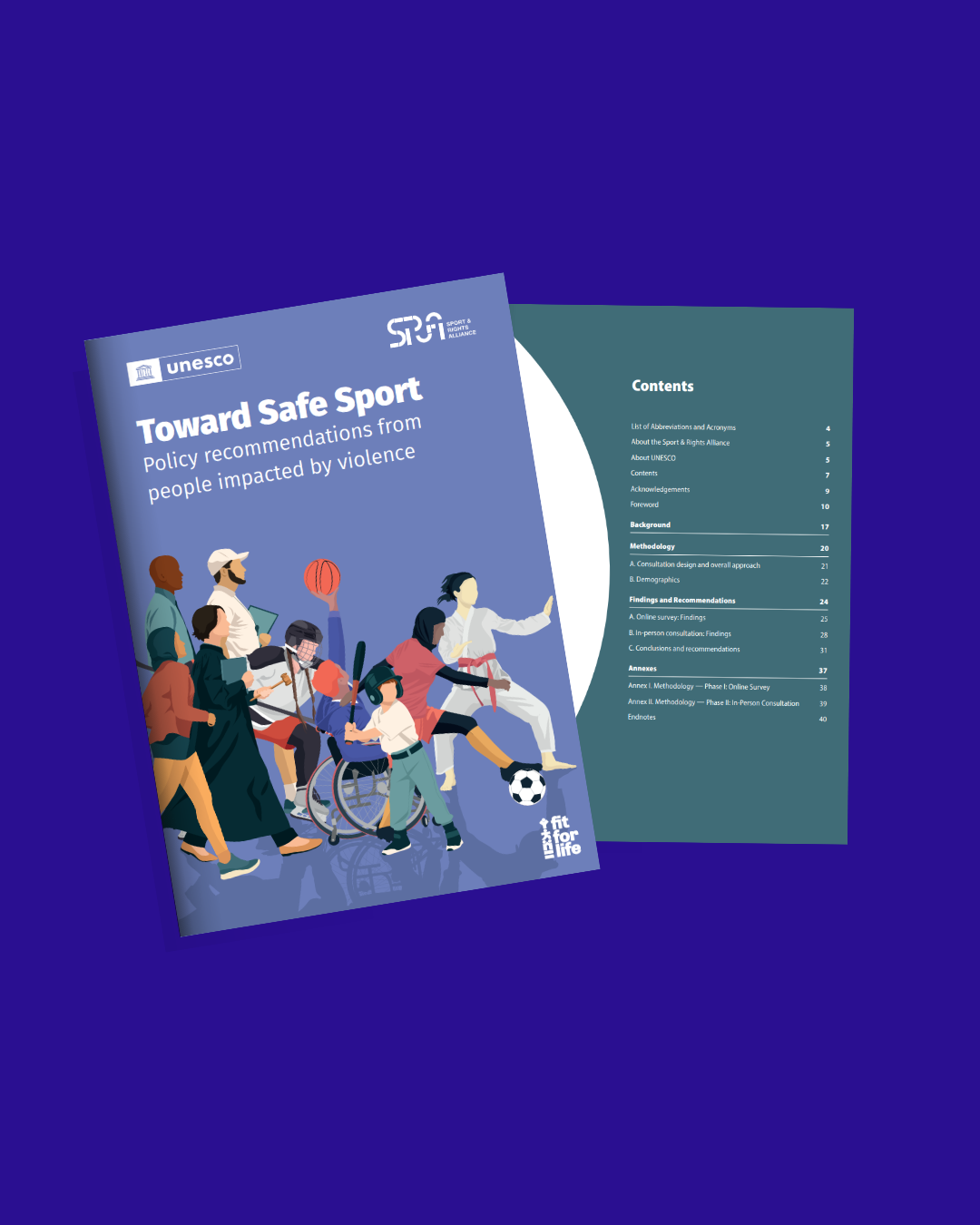
(Nyon, Switzerland, 16 May, 2023) — Focus group research and trauma-informed interviews with over 25 athlete survivors and representatives of survivor-led organizations have revealed a widespread need for an international network to connect survivors, share experiences, facilitate learning and empower greater advocacy, the Sport & Rights Alliance said today. Based on the findings of this study and thanks to the support of the Oak Foundation, the Alliance will soon launch the Global Network of Athlete Survivors.
“The consultation was inspired by the movement of mothers against police violence in Argentina, Brazil, US and other countries,” said Andrea Florence, director of the Sport & Rights Alliance. “Our goal was to explore interest, capacity and opportunities in creating a survivor-led network to facilitate greater worldwide connection, representation, advocacy and support. Survivors’ answers were a resounding ‘yes,’ and we are grateful to be able to help fill this need.”
The study took an intersectional and transversal approach to gather perspectives from the most diverse and representative group of individuals possible, resulting in 10 of the 25 total participants hailing from countries in the global majority, including from Afghanistan, Argentina, Brazil, Iran, Kenya, Mali and South Africa, with the other 15 coming from Australia, Canada, France, Ireland, United Kingdom and the United States.
“We know that to bring about the change we want to see, we have to start with the voices of athletes with lived experience,” said Joanna Maranhão, former Olympic swimmer, survivor and project lead of the Alliance’s study. “Because Black, Indigenous and People of Color have historically been excluded from these conversations, it is important to start from the margins in, hearing from as many people as possible from the Global South to be able to establish a solid base of evidence for any endeavors.”
Acknowledging the risk and common occurrence of retraumatization and distress even in the most well-intentioned engagements with affected people, the project organizers used trauma-informed principles and a “do no harm” ethic of care to prioritize the safety, wellbeing and autonomy of all participants.
“Our approach to facilitation aimed to create a space where participants would be acknowledged, affirmed, and heard,” said Stephanie Dixon, Paralympian, researcher and project moderator. “Attending to feelings of safety and affirmation of the participants was not a list of checkmarks to be completed, but rather invited and facilitated through a community agreement and commitment to ongoing listening, learning, and growth.”
Every participant was compensated for their expert contribution and any needs for psychological, legal or other kinds of support. They were also offered choice in their level and method of participation and provided options to communicate feelings of discomfort and ask the moderator to shift the conversation away from any distressing topics.
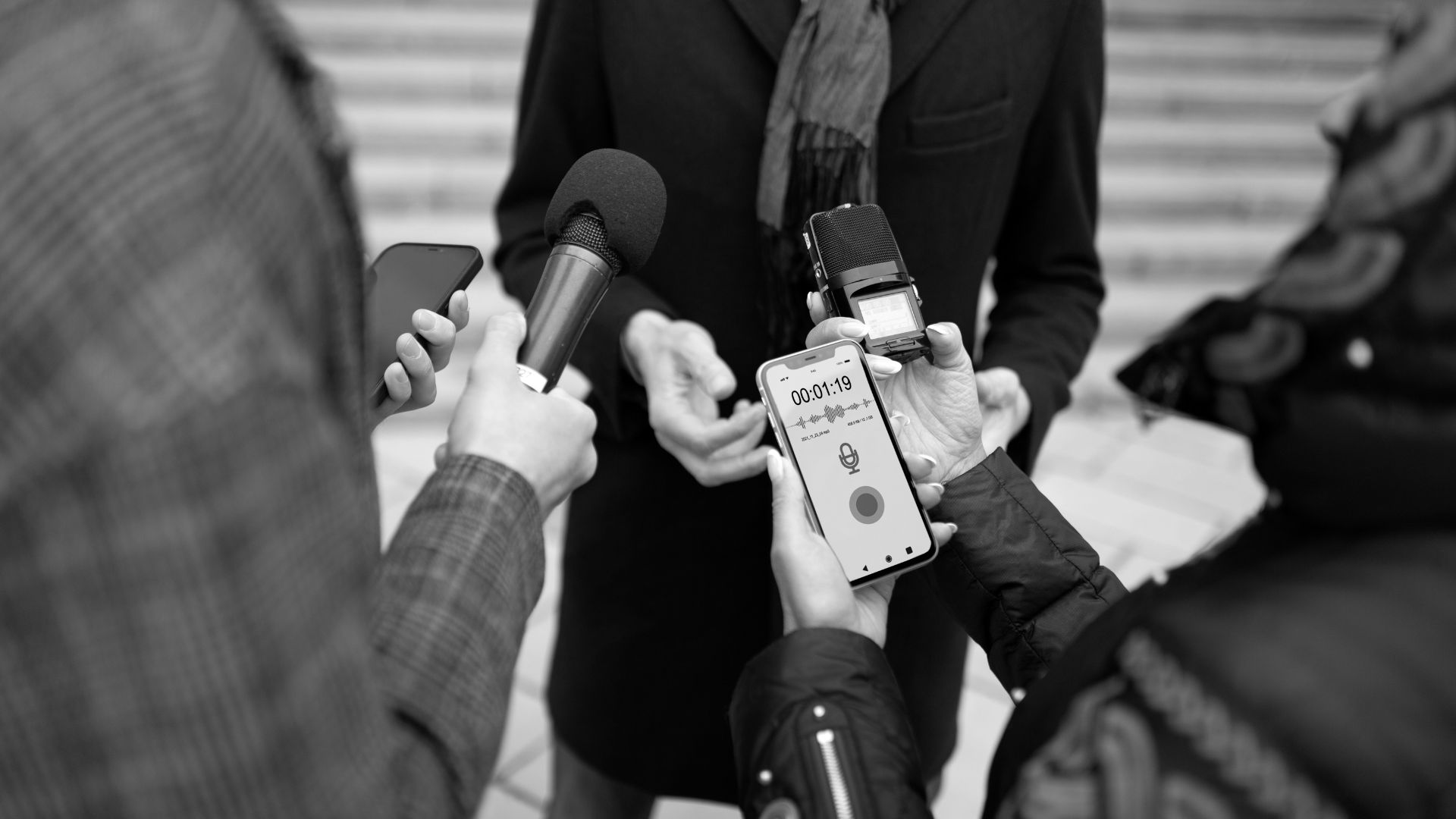
“One of the most surprising takeaways of our assessment was just how often participants told us they are asked to consult, give interviews, or tell their stories of abuse in sport without being offered any real compensation or support,” said Rachel Causey, coordinator of communications and survivor outreach for the project. “Given the harm they have already experienced in sport, this practice of expecting free labor, and the additional harm that often comes with it, is truly shocking – and must come to an end.”
Throughout the focus groups, there was a strong consensus on the need for an international solidarity network focused on survivor athletes’ needs, which can be summarized in three areas: healing, voice, and justice.
“We have a lot of work ahead of us, but we are hoping to enable a place where survivors can find peer-to-peer support, training and emergency funds as well as a launch pad for advocacy, research and representation,” said Maranhão. “The aim is to build a network by survivors, for survivors and with survivors’ interests at the forefront, every step of the way.”
Conducted by the Alliance from May to November 2022, the study and resulting report, “We need to empower each other,” was led by Brazilian Olympian, survivor, advocate and researcher Joanna Maranhão, supported by Canadian Paralympian and researcher Stephanie Dixon, the Alliance’s Director Andrea Florence and Communications Coordinator Rachel Causey. The study was guided by a Steering Committee of experts from Safe Sport International, The Army of Survivors, the Centre for Sport & Human Rights, Human Rights Watch, and the Global Observatory for Gender Equality & Sport.
“Player unions stand with survivors and are committed to organizing around abuse, negotiating safe work environments, and fulfilling the justice needs of athlete victims and survivors – especially in countries where the right to organize is not respected,” said Brendan Schwab, executive director of World Players Association. “This new project has the full support of World Players and we stand ready to amplify the voices and demands of survivors for systemic change.”