

Nearly 2 Years On, International Basketball Association Has Yet to Take Action
(Nyon, Switzerland, March 29, 2023) – As March Madness plays out, star US women’s basketball players have spoken out to condemn sexual abuse of teenage athletes in Mali to spotlight the need for urgent action and systemic reform in international basketball, Human Rights Watch and the Sport & Rights Alliance said today.
The governing Fédération Internationale de Basketball (FIBA) should urgently provide remedies for the female basketball players in Mali and carry out systemic reforms to protect young players and sideline abusers.
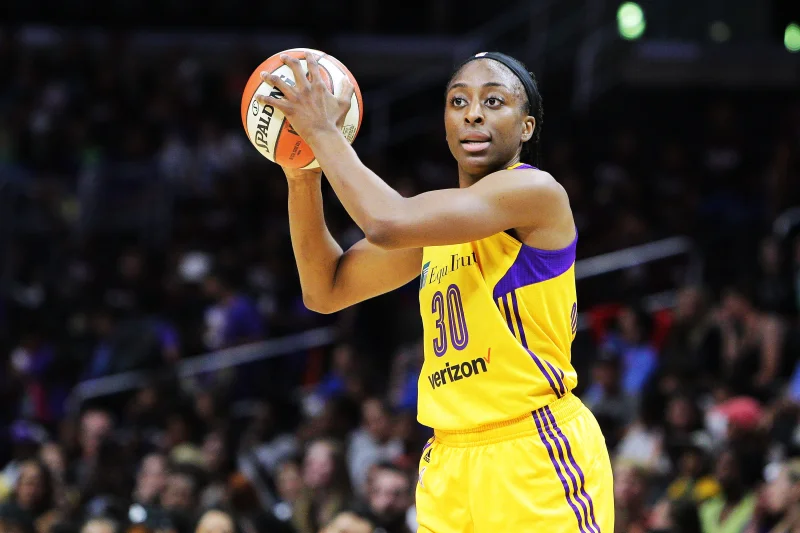
In a new video with the US Women’s National Basketball Players Association (WNBPA), top players Breanna Stewart, Elizabeth Williams, and Nneka Ogwumike express support for the whistleblowers and survivors of sexual abuse on the Mali Under-18 Girls’ National Basketball Team and all players around the world who face harassment and violence in sport.
“The players of the Women’s National Basketball Association stand in solidarity with talented female players who have suffered greatly at the hands of the coaches, officials, and basketball leaders who were supposed to protect them,” said Terri Jackson, executive director of the WNBPA. “There is no room for sexual violence or discrimination of any kind in the game of basketball. We will keep raising our voices until every athlete is safe from abusive predators and the systems that enable them.”
In 2021, an independent investigation and report commissioned by FIBA and led by its integrity officer, Richard McLaren, found what it called an “institutionalized acceptance of sexual abuse” within the Mali Basketball Federation, and extensive intimidation and retaliation against whistleblowers. Amadou Bamba, women’s national team head coach, was indicted in 2021 for “pedophilia, attempted rape, and molestation.”
In the video, Stewart, Williams, and Ogwumike call on FIBA and the International Olympic Committee (IOC) to “do more than just speak out and tidy up” and to “raise the bar for accountability, justice, representation and reform.”
A year and a half after the FIBA report’s publication, global basketball leaders have not apologized, provided a remedy, banned abusers and enablers, or implemented the changes needed to stop the culture of abuse in global basketball, the organizations said.
Athlete survivors of abuse in Mali felt betrayed when former federation President Jean-Claude Sidibe, whom the McLaren Report alleged had committed sexual abuse of players and violated FIBA’s supposed “zero tolerance” policy for sexual abuse, was recently named the president of the Mali Basketball Federation.
“Athletes who have faced death threats and lost career opportunities to get sexual abusers out of basketball, are now seeing them get promoted and empowered instead of punished,” said Minky Worden, director of global initiatives at Human Rights Watch. “FIBA’s lack of urgent action and accountability is putting courageous whistleblowers and players at risk of further abuse and trauma.”
Although FIBA has taken steps to develop a new safeguarding policy and has set up a Safeguarding Council, it is still not clear how athletes can report abuses.
“Since athletes in Mali and Kenya first came forward with reports of sexual abuse and extortion nearly two years ago, FIBA continues to ignore the needs of survivors and to uphold their duty-of-care to truly protect players,” said Julie Ann Rivers-Cochran, executive director of The Army of Survivors. “Developing a new safeguarding policy without meaningful engagement with survivors and athletes is simply not enough to make basketball safe for child athletes.”
FIBA has not responded to letters and recommendations from the WNBPA and the Sport & Rights Alliance that detail serious concerns about the findings of the McLaren Report and ongoing retaliation and security issues for whistleblowers and players in Mali.
“We call on FIBA, during Women’s History Month, to listen to women, girls and survivors and rid basketball of its culture of abuse,” said Andrea Florence, director of the Sport & Rights Alliance. “As these WNBA stars said, FIBA should stop prioritizing the institution and instead put athletes first, ‘so everyone can experience the joy of basketball as it should be.’”