

Case Underscores Urgent Need for Safeguarding, Reforms at Training Centers
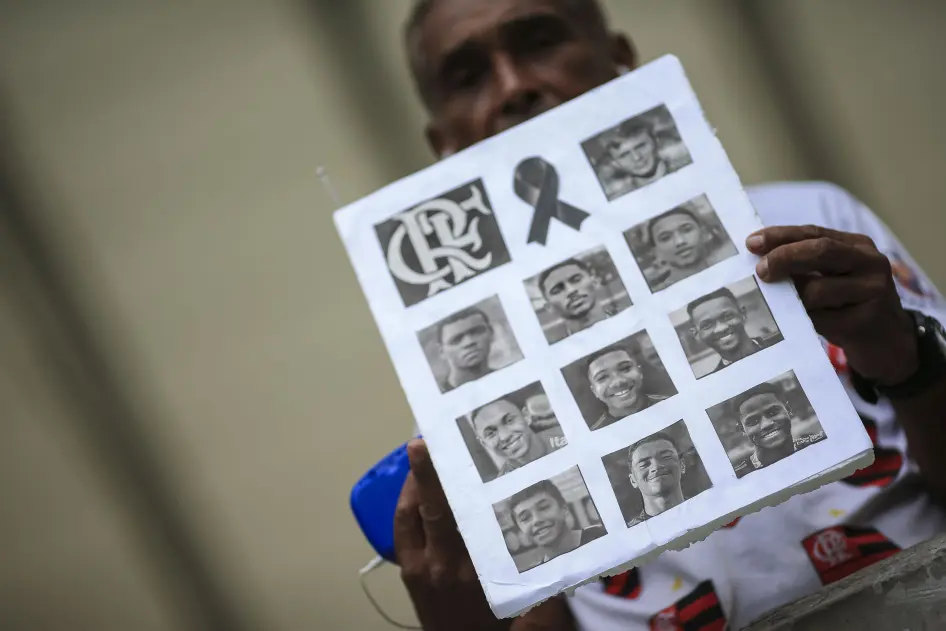
(Rio de Janeiro, November 24, 2025) – Reports that alleged systemic failures at Brazil’s top football club led to the deaths of 10 child athletes in a fire in 2019 raise critical questions about safeguarding and accountability in Brazilian sport, the Sport & Rights Alliance said today.
The acquittal of senior Flamengo club officials on October 21, 2025, was devastating and contradicts evidence of Flamengo’s failure to protect the athletes, victims’ groups said. The Rio de Janeiro Public Prosecutor’s Office has filed an appeal.
For at least four years before the fire, media reported, Flamengo defied local regulations, received multiple fines, and was even sued by state prosecutors in 2015 for poor treatment and substandard living quarters for its youth academy players. In February 2019, five days after the deadly fire, a judge determined that Flamengo had failed to address the suit’s demands and issued an injunction prohibiting children and adolescents from entering the facility. After renewed inspections demonstrating the clubs’ compliance with regulations, in June 2019, the judge allowed the facilities to reopen and closed the civil case.
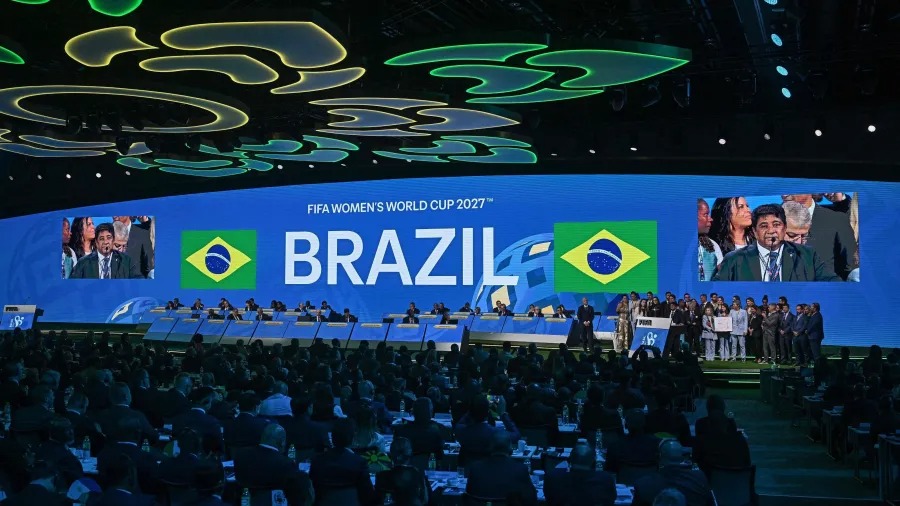
“The reports of the academy conditions at Flamengo – the most popular and profitable football club in Brazil – are incredibly alarming,” said Andrea Florence, executive director of the Sport & Rights Alliance. “Despite being sued for child protection failures years before the fire, the club was allegedly operating without basic fire permits and housing child athletes in highly flammable containers, with critical structural defects. As Brazil gears up to host the 2027 FIFA Women’s World Cup, this case serves as a stark reminder of the urgent need to strengthen safe sport measures in the country.”
TheAssociated Press and the New York Times have published detailed allegations of systemic negligence at the facility, which they alleged may have created a death trap for the 10 children, ages 14 to 16, at the Ninho do Urubu academy. As portrayed in a 2024 documentary miniseries from Netflix, the young players were reportedly housed in combustible, temporary containers in a parking lot, with bars on the windows.
The Sport & Rights Alliance wrote to Clube de Regatas do Flamengo on November 12 requesting a response to questions. The club has not responded.
“The fire at Flamengo is not just a tragic accident; it reflects the grave consequences of widespread exploitation and substandard care of youth talent in football academy systems in some parts of the world,” said Alex Phillips, secretary general at FIFPRO, the global football players’ union. “The global industry of elite football depends on young players whose safety is entrusted to academies and clubs such as Flamengo. A failure to achieve justice in this case is a setback for young player safety in Brazil and beyond.”
In October, Brazilian news outlets reported that footage taken by a journalist, Renata Mendonça, exposes precarious conditions of the Flamengo professional women’s team training center. The video shows broken floors, container locker rooms with brown tap water, and a lack of adequate physiotherapy and gym infrastructure. Flamengo has yet to comment on the situation.
“If these allegations are true, the Brazilian government needs to ensure that the club is held accountable for severe negligence and appalling conditions for its youth and women players,” said Minky Worden, director of global initiatives at Human Rights Watch. “The families of the victims at Ninho do Urubu have fought tirelessly over the past six years for justice and reform. The global sporting community should listen and act now to ensure that such a tragedy never happens again.”
The Alliance stands in full solidarity with the Association of Relatives of Victims of the Ninho do Urubu Fire (Afavinu), who released a statement after the court’s decision highlighting a profound “affront to the memory of the victims and to the feelings of society as a whole.” Families who entrust their children to football academies like Flamengo should be able to trust that not only their training and talent but their safety, accommodations, and human rights are respected and protected, the Alliance said.
In November 2024, Brazil passed a bill requiring sports entities receiving public funding to adopt and respect safeguarding measures, noting that strengthened protections for child and women athletes would be its “legacy” as host of the 2027 FIFA Women’s World Cup.
To pursue this legacy, Brazilian government and sports authorities should also ensure justice and remedy for the families of the young Flamengo athletes, and work together to set up an independent national safe sport entity tasked to monitor and receive safeguarding complaints. The right to safety for child and women athletes is nonnegotiable, and sporting organizations have responsibility to protect all in their care.
***