

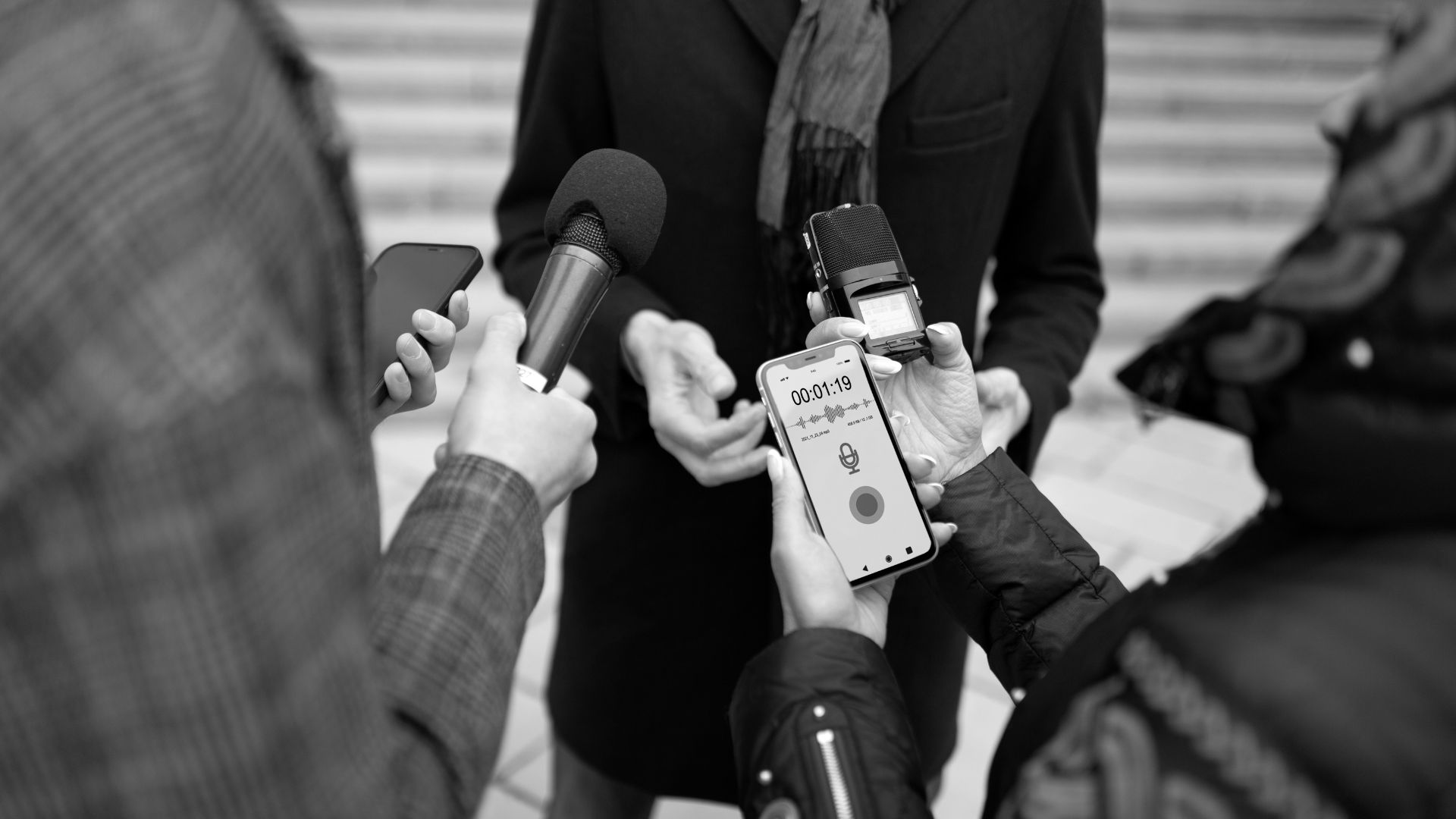
Workshop Recap: Media Training for Impacted Athletes: Sharing your story with journalists
On September 24th, The Athletes Network for Safer Sports held its third workshop of the year focusing on “Media Training for Impacted Athletes.” Featuring top sports journalists with extensive experience covering abuse cases, Shireen Ahmed and Suzy Wrack, the session marked an important first step in exploring how people impacted by abuse in sport can prepare before disclosing their experiences openly. Watch a short video recap here.
“Sharing your story can mean getting thrown into the spotlight with little idea of what to expect, how to prepare, and what the after-effects might be.”
Introducing the motivation for the call, Sport & Rights Alliance’s communications coordinator Rachel Causey highlighted the Athletes Network’s initial needs assessment where survivors discussed how helpful media training and capacity-building could be for others – sharing that they wished they’d had similar resources before going public with their stories.
Indeed, a poll at the beginning of the session revealed that 30% of participants had already shared their stories publicly with the media – but out of those, 71% said they would have done it differently if they knew better. Respondents reported their motivations to do so ranged from wanting to raise awareness and change policies to fighting for justice. Among those who hadn’t yet shared their stories publicly, they reported that uncertainty and fears of retaliation, reprisal, defamation and maltreatment were holding them back.
“I’m an activist first and journalist second – for me journalism is a tool and when used in the right way, it can be healing to survivors.”
Suzy Wrack, a British writer and women’s football correspondent at The Guardian, shared that her goal is always to ensure her work is survivor led. In order to do that, she tries to remove as much pressure as she can.
“If you’re being rushed, or feeling any pressure at all to tell the story, then I think that that’s a problem, right? Like, if anything, they should be trying to talk you out of it, with the level of explanation to make sure that you understand exactly what is at stake, and the extent to which and how deep the process can be.”
Suzy outlined her approach to interviewing people impacted by abuse and explained that she always starts with an exploratory conversation. In these meetings, she doesn’t record anything or take notes, but just takes the time to get to know each other and explain what the process might look like. These first conversations, Suzy explained, play an important role in managing expectations and allowing the survivor to take control of the process, and make an informed decision about whether to proceed.
“I’ve spent 32 hours on phone calls, working on a case for over a year and a half, that didn’t make it to publication.”
Shireen Ahmed, a Canadian journalist and CBC sports senior contributor, explained that she always believes survivors and approaches her work from a place of allyship and support, particularly due to her own identity as racialized Muslim woman.
However she highlighted the challenges of the editorial process often require a very high threshold of evidence and fact-checking to get stories of abuse to the finish line of publication. She explained how years of evidence-gathering can still not be enough – and how frustrating all of this can be both to the survivors and the journalists.
“You have every right to ask questions. This may be the most important story you will tell, and you want it done right.”
Shireen and Suzy also shared that it’s important for impacted people to choose who they trust with their stories wisely, emphasizing that it’s important to look into reporters’ previous coverage and verify that they have experience reporting on violence in sport. They also emphasized that it’s important for survivors sharing their stories to clarify terms like anonymity, on the record, and background, and to ask who exactly within the media outlet will know their identity, whether it’s the reporter, editor, legal team or others.
As our mission at the Athletes Network for Safer Sports is to create and strengthen safe spaces for people affected by abuse in sport to further healing, amplify each other’s voices, and advocate for systemic change, we are committed to supporting survivors, whistleblowers and all people impacted by abuse and violence in sport. Whether you share your story publicly or not, we believe you and support you on your healing journey. Learn more about the Network and get involved here.