

The Goal Is A Safe Place To Work For Women And Teen Players
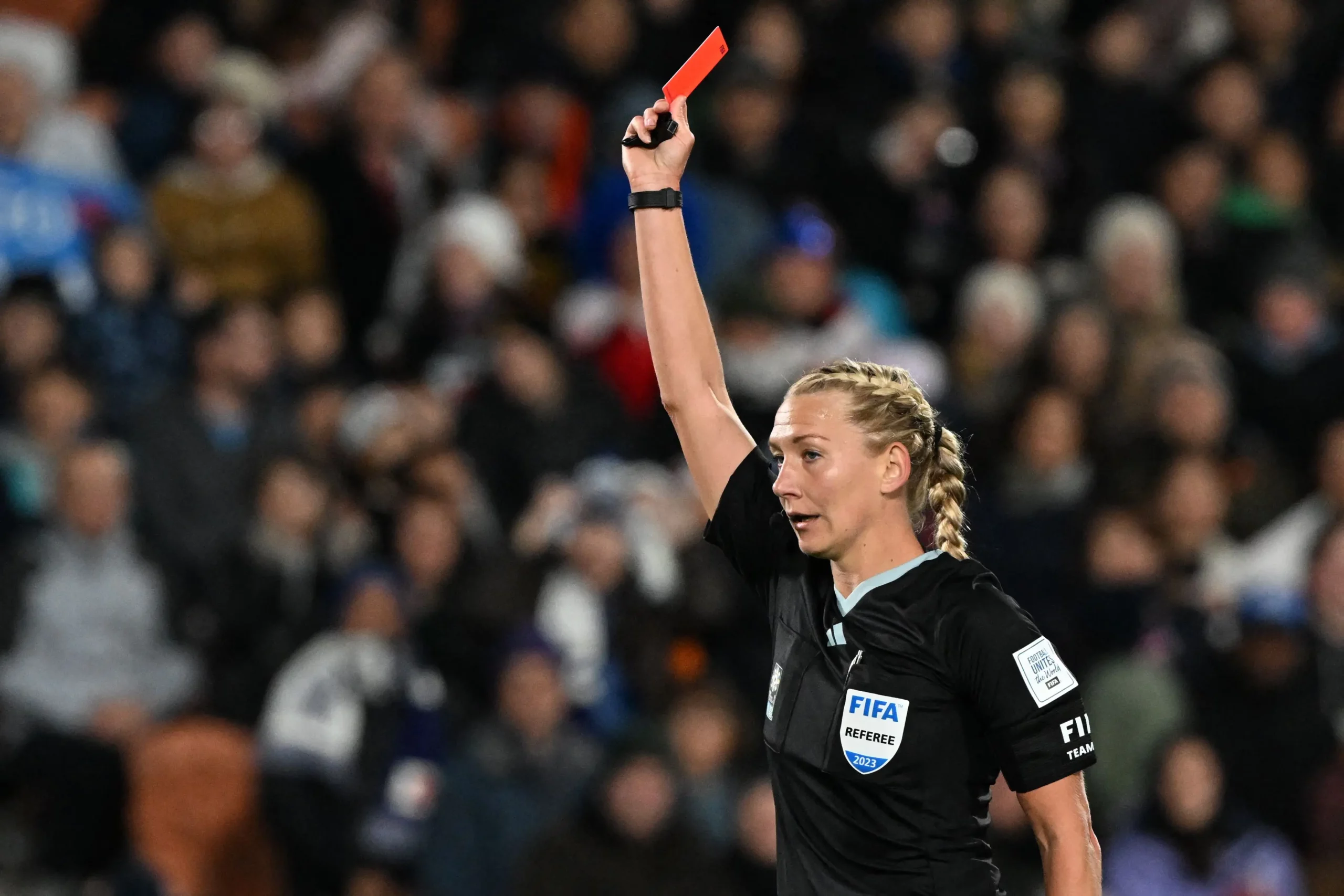
The Women’s World Cup in Australia and New Zealand is on track to become the most attended stand-alone women’s sporting event in history as 32 top women’s teams compete for the coveted title of World Champion. What fans of the sport don’t see is the sexual harassment, unfair pay, and unsafe working environment many women players are forced to endure to achieve their moment of glory on the pitch.
Sexual violence in sport often happens because of poor governance and an imbalance of power that enables abusers and punishes survivors. Human Rights Watch has documented depression, suicides, physical disabilities, and lifelong trauma resulting from sexual and other abuse. In too many soccer federations, to report sexual abuse is to end your career.
When Human Rights Watch brought cases of sexual abuse to the Fédération Internationale de Soccer Association (FIFA), soccer’s international governing body, it became immediately apparent that there were no survivor-centered systems to investigate sexual abuse or protect whistleblowers.
In December 2021, FIFA recognized this and committed to a “global network” to combat abuse. It took 18 months, until this June, for FIFA to release a report outlining the need to set up an “Independent Global Safe Sport Entity.” After a three-year consultation period, FIFA has finally acknowledged what top athletes have long known: that it cannot investigate itself or its leaders.
FIFA announced in April that it would move forward with a dedicated entity to tackle abuse cases in soccer. However, FIFA senior staff have since caused concern by making vague, public calls for global unity while neglecting to take any concrete steps to set up the body—including requesting funding that exists.
Human Rights Watch and the Sport & Rights Alliance have written to FIFA to ask for detailed information on the fate of plans for a Safe Sport Entity to address systemic sexual, emotional and physical abuse and provide remedy and support to victims and survivors in soccer. FIFA has not responded.
FIFA’s human rights policy states that the federation is committed to “upholding the inherent dignity and equal rights of everyone affected by its activities.” But as Human Rights Watch research in Japan, Afghanistan, and Haiti has shown, FIFA is failing to apply its own child safeguarding rules and background checks to end entrenched abuse in soccer federations and at national academies, where many of young female players must endure sexual abuse during their training.
The facts are shocking: since 2018, two male presidents of national soccer federations have been banned from the sport for sexually assaulting women and girls on the national teams. Players describe a “culture of fear and abuse” in Colombia’s national federation. More than a dozen former high-level players criticized Canada Soccer for failing to protect youth team members from abuse by coaches.
From Afghanistan to Zambia—in nearly 20 of 211 national soccer federations—there is a well-documented pattern of systemic abuse across national bodies, where top officials or coaches stand accused of sexual abuse and exploiting young players, including children.
FIFA contributes at least $1.5 million a year to each national federation, and these financial controls could be used to force reforms. In many countries, these funds instead fuel corruption and the worst forms of sexual abuse.
In 2020, the president of the Haitian national soccer federation, Yves Jean-Bart, was found by the players’ union FIFPro and FIFA to have committed acts of sexual harassment and sexual abuse against players, including girls. Human Rights Watch interviewed female players whose passports were confiscated. Passport confiscation, which was confirmed by FIFA, can be a marker of human trafficking, and women athletes and referees told us it was used as a form of control and coercion, and to block escape.
“I grew up in Haiti with the dream of playing soccer for my country in the Women’s World Cup,” former player writes in an online petition to FIFA to protect children. “But what should have been a dream come true turned into a nightmare: I realized that I and other children as young as 12 were at constant risk of sexual harassment and abuse.”
Jean-Bart was banned for life, but after threatening witnesses and survivors into silence, this punishment was overturned in the Switzerland-based Court of Arbitration for Sport in February. Despite harmful working conditions for the Haitian women’s team, they qualified for the first time for the 2023 Women’s World Cup. In March, the disgraced leader of Haitian soccer demanded to return to the sport. FIFA rejected his request. In early July, the Port-au-Prince Court of Appeal issued a preliminary ruling ordering his appearance in court to respond to sexual abuse allegations in a new judicial investigation in Haiti.
The complexity of justice in such cases show FIFA should urgently move forward with creating the entity to deal with sexual abuse.
This is not a matter of money, but political will. Funding is available from a US Department of Justice Corruption Fund. Starting in 2015, the Justice Department brought charges against dozens of top soccer officials for corruption and racketeering, and for taking payments to award games to bribing countries. Forfeited funds sitting at the FIFA Foundation World Soccer Remission Fund earmarked for FIFA’s Safe Sport Entity are as much as $60 million. If properly used, that would be a good start to stop sexual abuse inside FIFA and global soccer federations.
But FIFA has dragged its feet and continues to fail to protect witnesses or financially compensate any victims of sexual abuse in its systems.
Before the last goal is scored at the 2023 Women’s World Cup, FIFA should finally set up an independent body to report abuse, provide emergency support and protection for survivors and whistleblowers, including an expert investigation team to get abusers out of sport.
This would at least begin to honor the courage of survivors and whistleblowers who have brought abuse cases to FIFA, at the high cost of their careers and personal safety.