

Consultation with impacted athletes held today by UNESCO and the Sport & Rights Alliance
(Paris, November 21, 2025) – UNESCO and the Sport & Rights Alliance (SRA) have joined forces to place the experiences of those impacted by abuse, harassment, and violence in sport at the core of global policy development. As part of the ongoing creation of UNESCO’s Global Policy Standards for Inclusive, Equitable and Safe Sport and Physical Education, a two-phase consultation was launched to ensure that the framework is grounded in lived realities and responds meaningfully to the needs of athletes and survivors.
“UNESCO’s vision for global safe sport standards that are informed by athletes and allies impacted by abuse in sport sets a game-changing benchmark for policy development,” said Andrea Florence, Executive Director of the Sport & Rights Alliance. “Our main goal at the Sport & Rights Alliance is to ensure that affected people are heard at the highest levels of sport governance, and we are proud to collaborate on this initiative with UNESCO.”
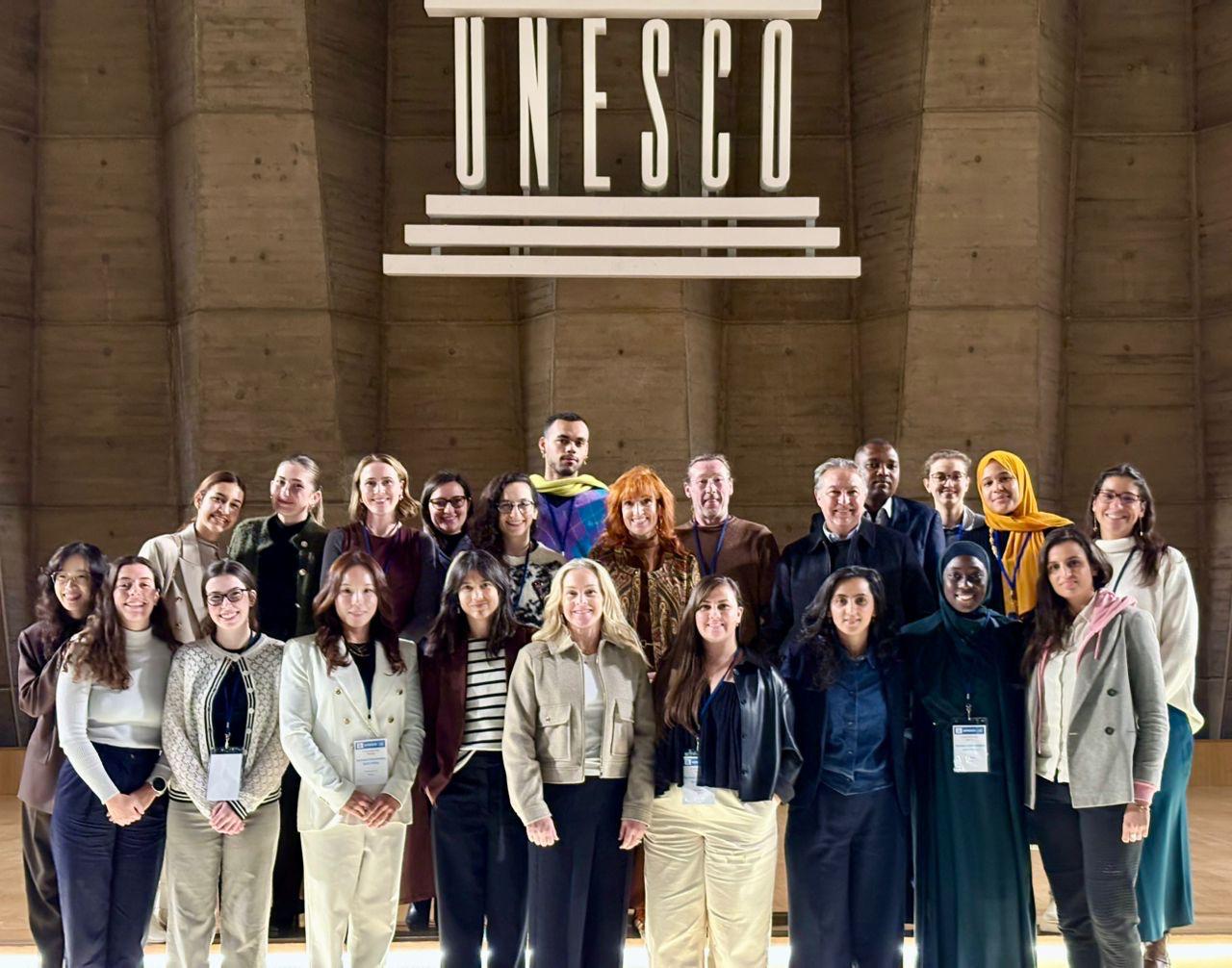
The first phase engaged 138 athletes, whistleblowers, bystanders, and advocates from 50 countries through an anonymous online survey. Building on this foundation, 12 athletes with lived experience of violence in sport from 9 countries and 10 different sports gathered today at UNESCO Headquarters in Paris for a focus-group based consultation.
“Any effective policy must be centered on the interests and needs of those it aims to serve – and to do this, we must listen to those who have already been impacted by violence,” said Gustavo Merino, Director for Social Policies at UNESCO. “The dialogue we held today was incredibly constructive and insightful – and will help ensure UNESCO’s Policy Standards contain the necessary provisions to guide Member States in preventing harm, promoting accountability, and supporting healing on a global scale.”
The in-person consultation focused on deepening the insights from the written phase and shaping concrete recommendations to ensure the final standards are trauma-informed, context-sensitive, and centered on safety, dignity, and accountability in sport.
“By building standards with – not just for – survivors, we take an important step toward system-level change,” added Philipp Müller-Wirth, Chief of UNESCO’s Sport Section, in his opening remarks.”
Carefully facilitated following an intersectional, trauma-informed approach and ethics of care methodology, the meeting featured in-depth thematic group discussions with athletes who have navigated the complexities of experiencing, witnessing and reporting abuse in sport.
“The power of today’s consultation lies in the direct, meaningful and open conversations between those who have endured violence in sport and those who set the standards for the international community,” said Joanna Maranhão, network coordinator at the Sport & Rights Alliance. “This in-person meeting was essential for translating lived experiences into concrete policy guidance. We are confident that the work we accomplished today is a significant step toward a world of sports that can guarantee dignity and safety for all participants.”
The consultation’s findings will directly support the update and refinement of the draft Global Policy Standards, and the ultimate aim of harmonizing safe sport approaches globally, accelerating accountability, providing clear benchmarks and guiding evidence-based policy and practices.
“In high-level sport, suffering is glorified, violence is normalized and domination is glorified,” said Lola Mansour, a participating judoka from Belgium. “No more tolerance for abuse. The future of sport must be built on real political action and rules created with athletes, where dignity and integrity always come before performance or medals.”
Bringing together athletes impacted by violence, safe sport advocates, and whistleblowers from diverse regions and sporting disciplines, the consultation ensured diversity of identity, experience and perspective. The participants’ collective and individual contributions, combined with the insights from the online survey, provided a comprehensive picture of the systemic gaps that the new standards aim to fill, ensuring the final framework is applicable and sensitive to cultural, regional, and sport-specific risks.
“The difference between a safeguarding policy that looks good on paper and one that prevents and redresses harm is the level of accountability it demands,” noted Emma Oudiou, a French steeplechase athlete who participated in the session. “What we have contributed to today is a framework that is not just aspirational, but operational. We leave this consultation with the hope that the UNESCO standards will close the loopholes that allow perpetrators to move freely and finally deliver tangible protection for every athlete, regardless of their level.”
The consultation was an opportunity to discuss and reflect on the results of the online survey, and to go more in depth on a number of key findings, such as how to make the language more accessible, strengthen the guidance on reporting mechanisms, and ensure alignment with human rights frameworks. Participants engaged in structured, confidential discussions where direct exchange allowed for a granular analysis of how concepts like accountability, survivor-centered governance, and trauma-informed investigations should be translated into enforceable policy at the governmental level.
“Engaging impacted people in policy processes in a meaningful, inclusive and sensitive manner is absolutely essential, and the facilitation provided by the Sport & Rights Alliance was critical in ensuring this,” said Nancy McLennan, lead of the Fit for Life program at UNESCO. “The global policy standards will mark an important step toward elevating the importance of effective safeguarding policies in each of our 194 Member States, and the invaluable insights gathered today thanks to the participants’ voices will be absolutely pivotal to their success.”
Following the success of today’s consultation, UNESCO and the Sport & Rights Alliance will develop and publish a final report detailing the comprehensive insights and recommendations gathered from participants in both online and in-person consultations. This report will guide the update and refinement of the final Global Policy Standards, which will be presented to Member States for endorsement in 2027, during UNESCO’s 8th International Conference of Sports Ministers (MINEPS VIII).