
FIFA: Keep the World in the World Cup

Football belongs to the world.

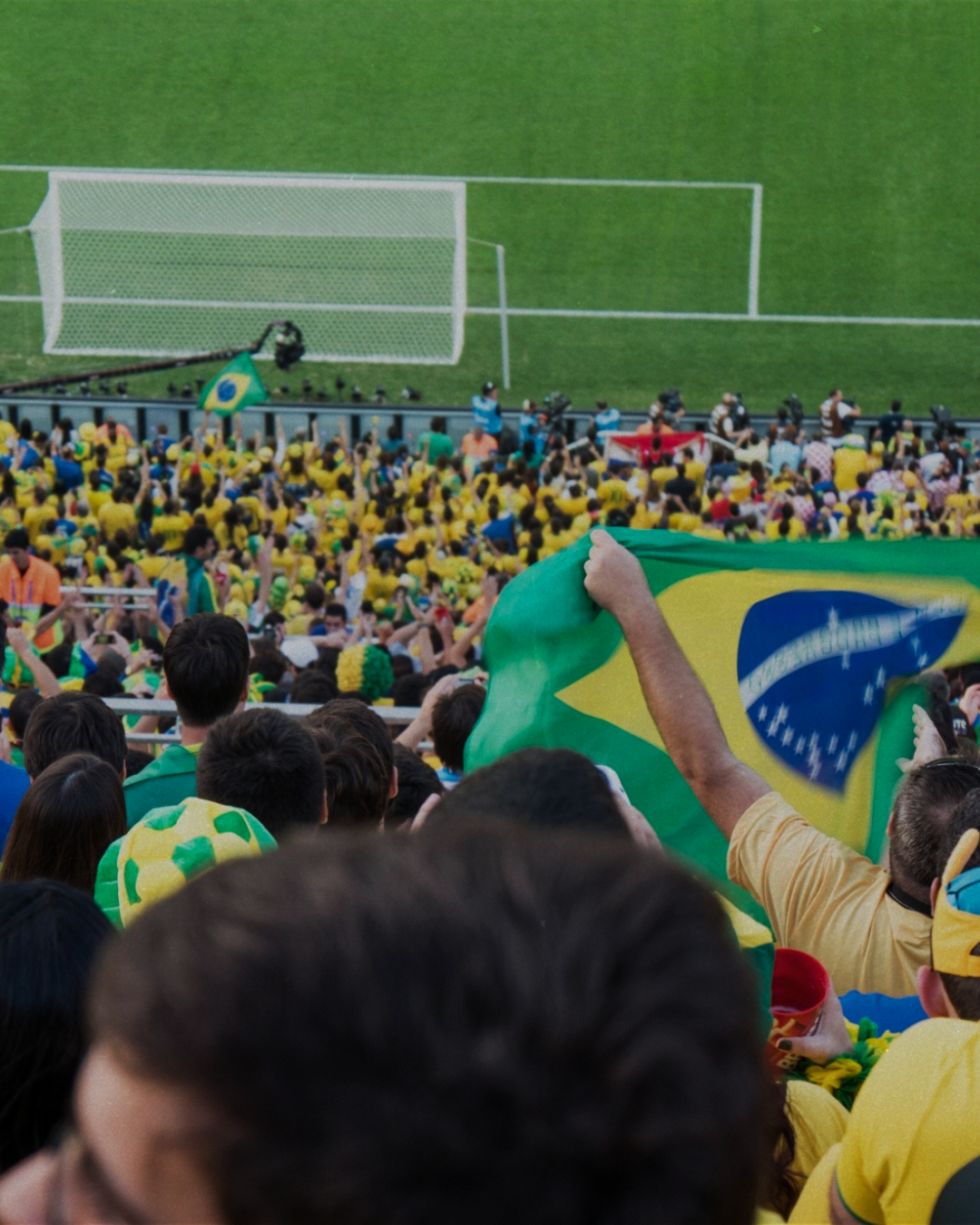
FIFA is planning the biggest World Cup ever: 48 teams, matches in 16 cities across the United States, Canada, and Mexico, and billions watching around the world.  

FIFA has promised a safe, welcoming and ‘inclusive’ tournament through its Human Rights Framework. But under U.S. President Donald Trump, harsh anti-human rights rhetoric and immigration policies are creating fear instead.

Escalating attacks on immigrants and threats to press freedom and peaceful protest signal a tournament heading in the wrong direction. Tell FIFA to keep the world in the World Cup.

The world belongs in football.

Players across national teams, including those from the U.S., are often immigrants or come from immigrant families. Football’s history is one of crossing borders and chasing dreams. But new U.S. rules and rhetoric slam the door on the world.

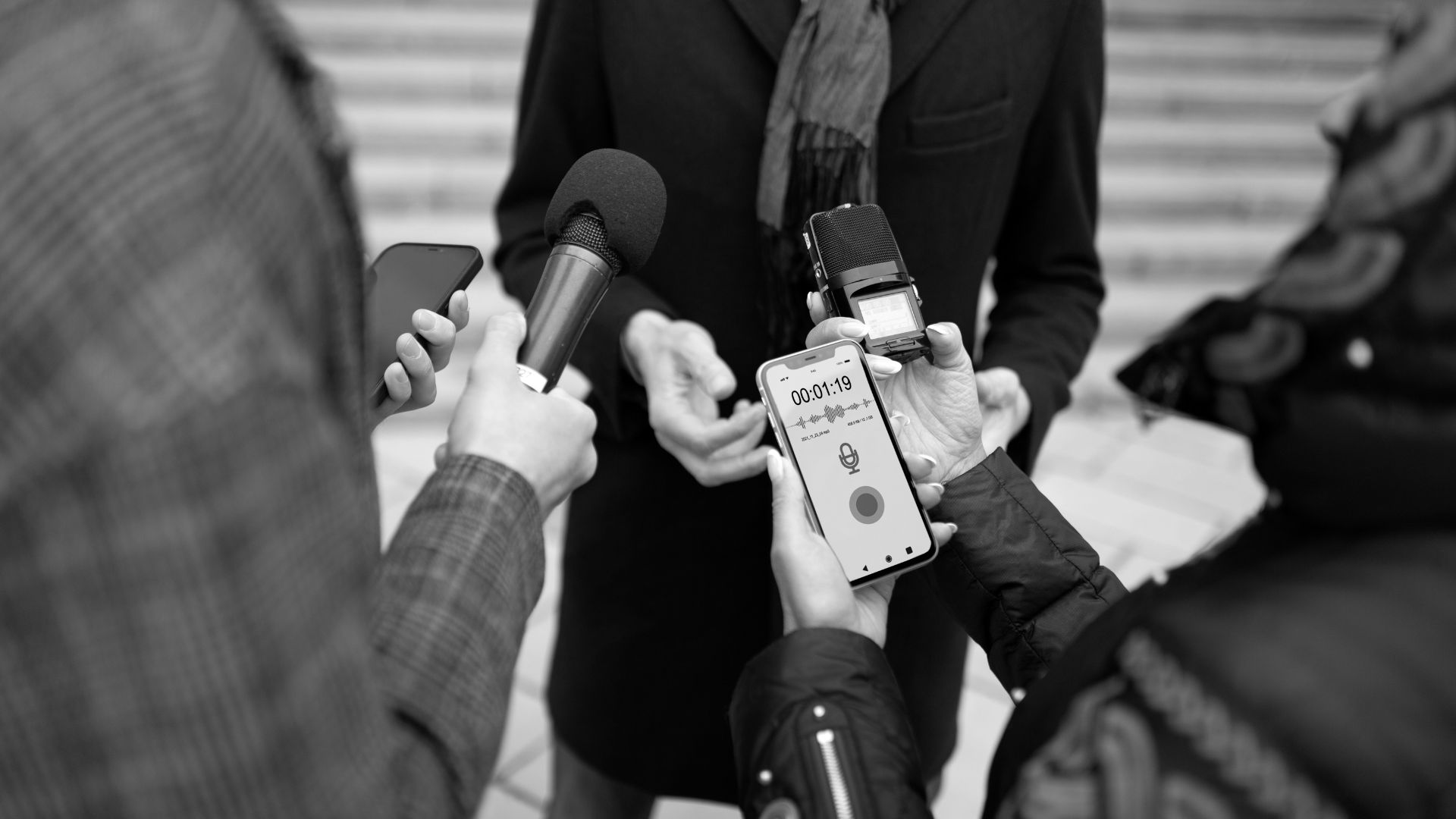
Check out safety resources for journalists from our partners here and here.

We are a movement of fans, athletes, workers, local community members, and human rights organizations calling on FIFA to work with host countries to protect host city residents and communities, athletes’ rights, free speech, fans’ rights, press freedom, LGBTI rights, workers’ rights, and children’s rights to a safe tournament environment. This means among other things:

  • Securing a public commitment to refrain from immigration enforcement operations at all World Cup events and venues, as a first step to ending abusive detention and deportation practices throughout the U.S.
  • Ensure that all qualified teams, media, and fans affected by discriminatory visa and entry bans and social media surveillance will have equal access to the tournament regardless of nationality, religion, gender, or opinion.
  • Establishing a formal FIFA human rights monitoring mechanism, with independent oversight, engagement with civil society, and public reporting, for the duration of the tournament.
  • Implementing a FIFA child safeguarding policy that ensures families — including mixed-immigration status families — can attend the World Cup without fear of separation.
  • Making a clear public commitment to press freedom and regular access for journalists, from the border to the stadium and everywhere in between, so journalists can do their jobs telling the full story of this tournament both on and off the field.

Join us in telling FIFA to keep the world in the World Cup.

Related news

FIFA: Fear and Uncertainty in Final Countdown to 2026 World Cup

FIFA: Fear and Uncertainty in Final Countdown to 2026 World Cup

Voices of People Impacted by FIFA’s Top Tournament (New York, June 10, 2026) – As the world awaits the opening whistle of the 2026 FIFA Men’s World Cup, players, fan groups, and human rights groups are highlighting the risks posed by the U.S. government’s visa bans, travel restrictions and abusive immigration operations, the Sport & […]

READ MORE

FIFA: New Rule Recognizes Afghan Women’s Team

FIFA: New Rule Recognizes Afghan Women’s Team

After Nearly Five Years in Exile, Women Can Seek World Cup Qualification (Vancouver, April 28, 2026) – The FIFA Council’s decision to approve amendments to its Governance Regulations provides a landmark opportunity to ensure gender equity and human rights in sport, the Sport & Rights Alliance said today. These changes allow for the official recognition […]

READ MORE

FIFA: Keep the World in the World Cup

FIFA: Keep the World in the World Cup

Football belongs to the world. FIFA is planning the biggest World Cup ever: 48 teams, matches in 16 cities across the United States, Canada, and Mexico, and billions watching around the world.   FIFA has promised a safe, welcoming and ‘inclusive’ tournament through its Human Rights Framework. But under U.S. President Donald Trump, harsh anti-human […]

READ MORE

Related resources

“This may be the most important story you will tell, and you want it done right”

“This may be the most important story you will tell, and you want it done right”

Workshop Recap: Media Training for Impacted Athletes: Sharing your story with journalists On September 24th, The Athletes Network for Safer Sports held its third workshop of the year focusing on “Media Training for Impacted Athletes.” Featuring top sports journalists with extensive experience covering abuse cases, Shireen Ahmed and Suzy Wrack, the session marked an important […]

READ MORE

Failures in Brazilian Football Expose Culture of Misogyny and Abuse

Failures in Brazilian Football Expose Culture of Misogyny and Abuse

Persistent risks for women and children in Brazilian sport (Sao Paulo, March 6, 2026) — Ahead of this year’s International Women’s Day, renewed attention must be paid to the persistent risks facing women and children in the world of sports. Nowhere is this more pertinent than in Brazil, set to host the 2027 FIFA Women’s […]

READ MORE

Debunking the IOC FAQ

Debunking the IOC FAQ

In connection to the IOC Policy on the Protection of the Female (Women’s) Category in Olympic Sport A scientific, legal, and child safeguarding analysis from Humans of Sport May 2026 Introduction On 26 March 2026, the International Olympic Committee (IOC) Executive Board adopted a new Policy on the Protection of the Female (Women’s) Category in […]

READ MORE

Join the Network

Sport has the potential to be a catalyst for human development, unity, and freedom, but too often it instead brings harm to its athletes, fans, and communities. We exist to uncover and rectify the many abuses that exist both in and around sport. We aim to transform sports into an authentic force for good.